PIQUE DAME
opera by Pjotr Iljitsch Tschaikowski
Oper LeipzigWORLD PREMIERE May 2025
Conductor Anna Skryleva
Director Lorenzo Fioroni
Stage Sebastian Hannak
Costumes Katharina Gault
Stage Sebastian Hannak
Costumes Katharina Gault
Lightdesign Sebastian Alphons
Dramaturgy Marlene Hahn
Paradise Lost
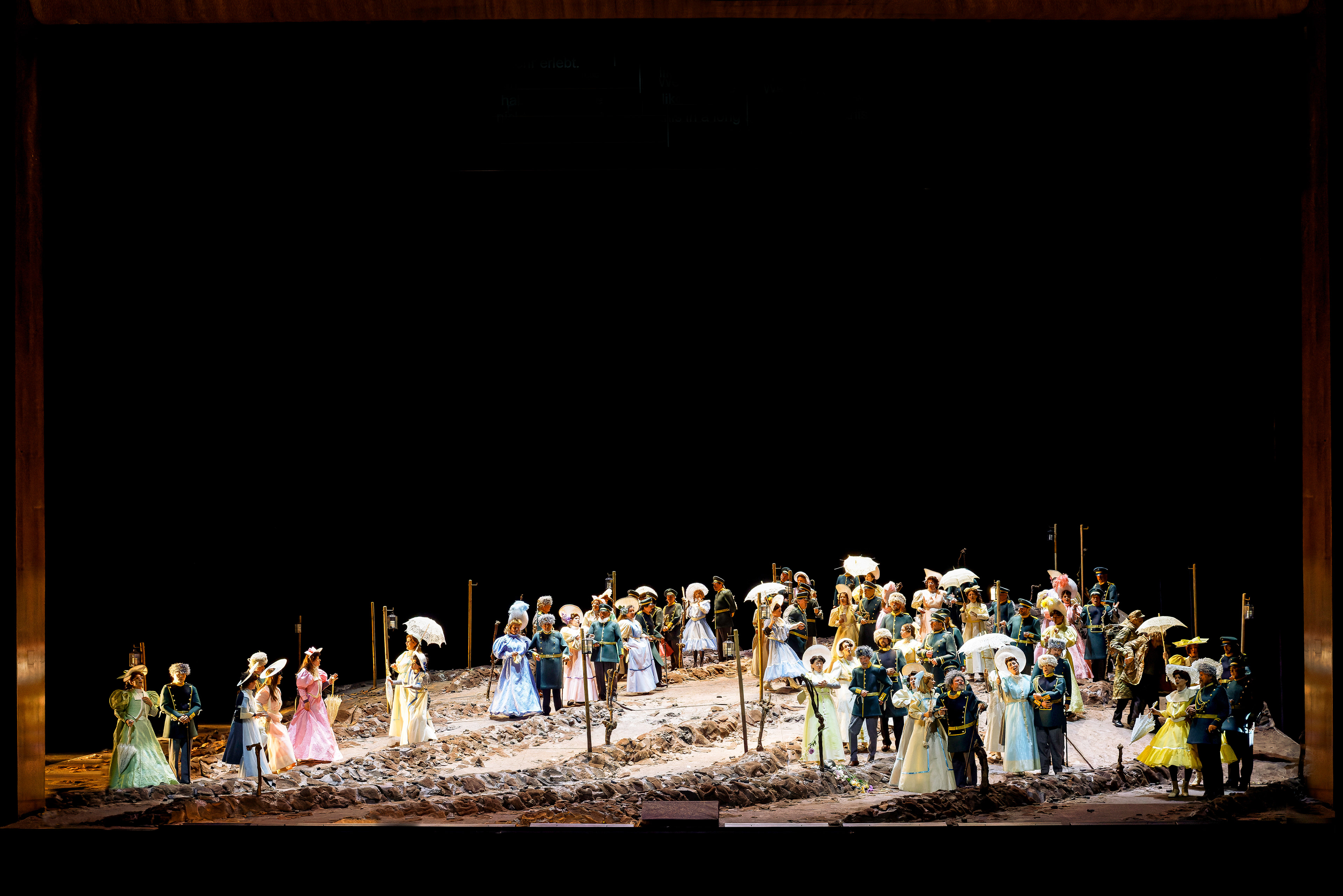
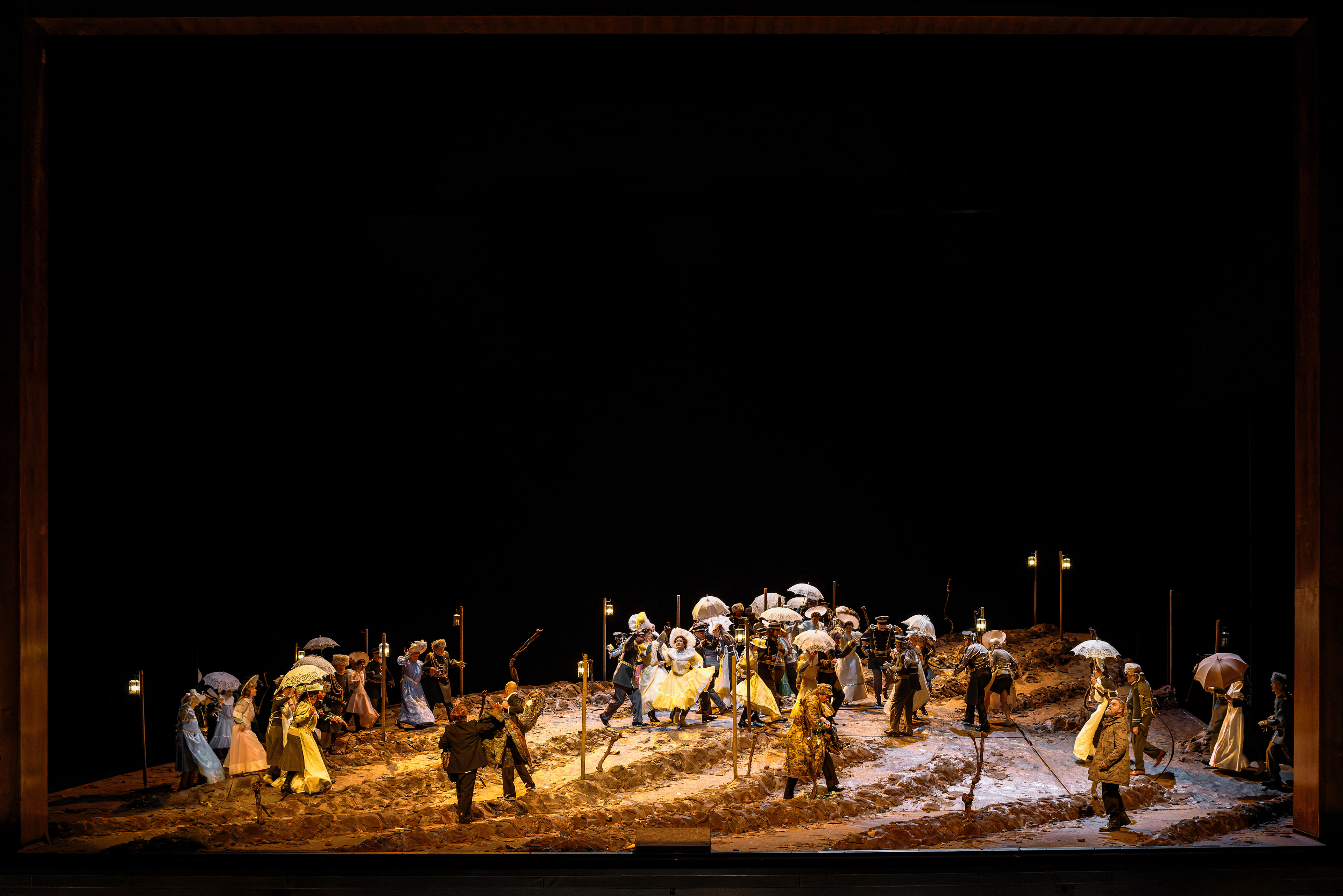
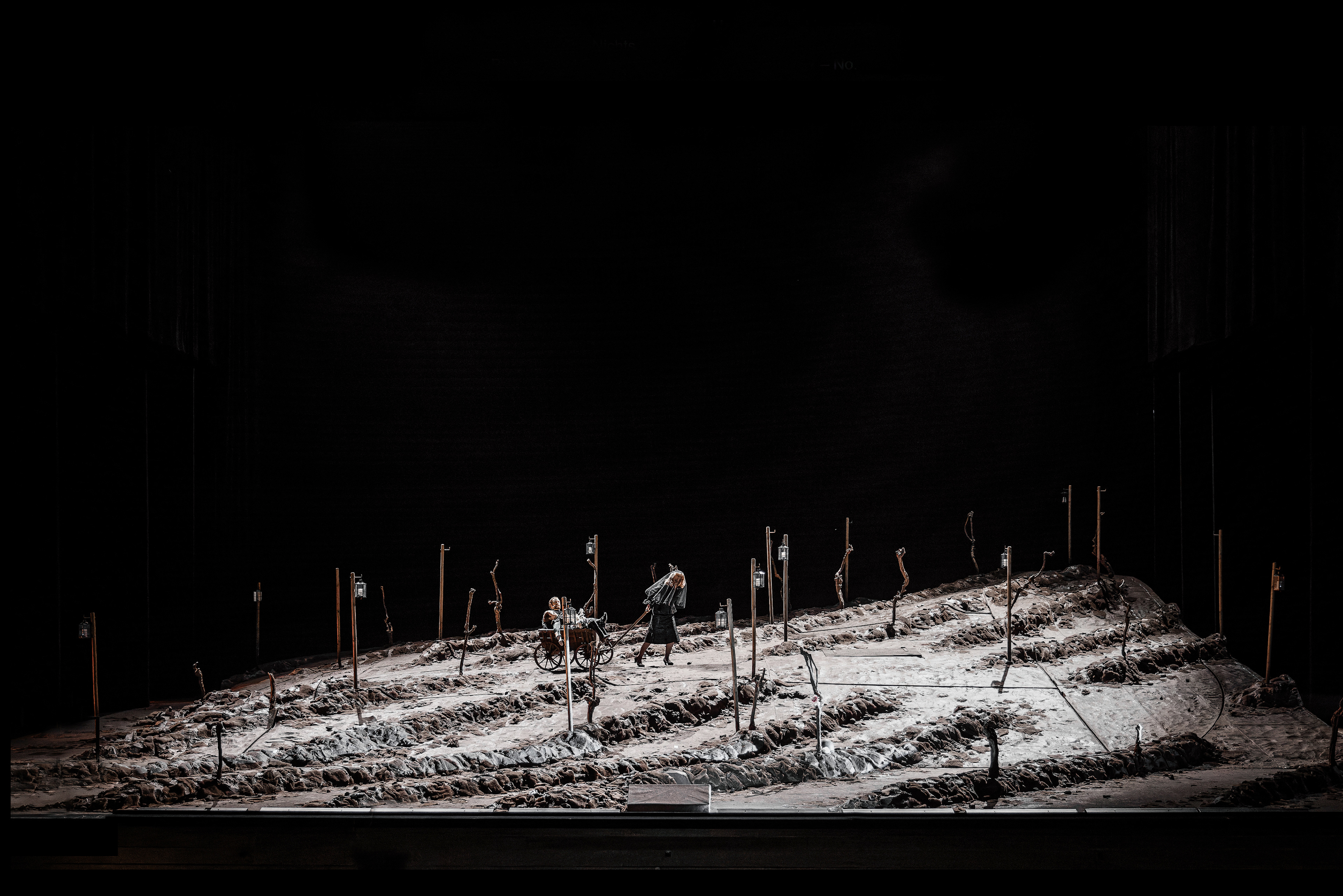
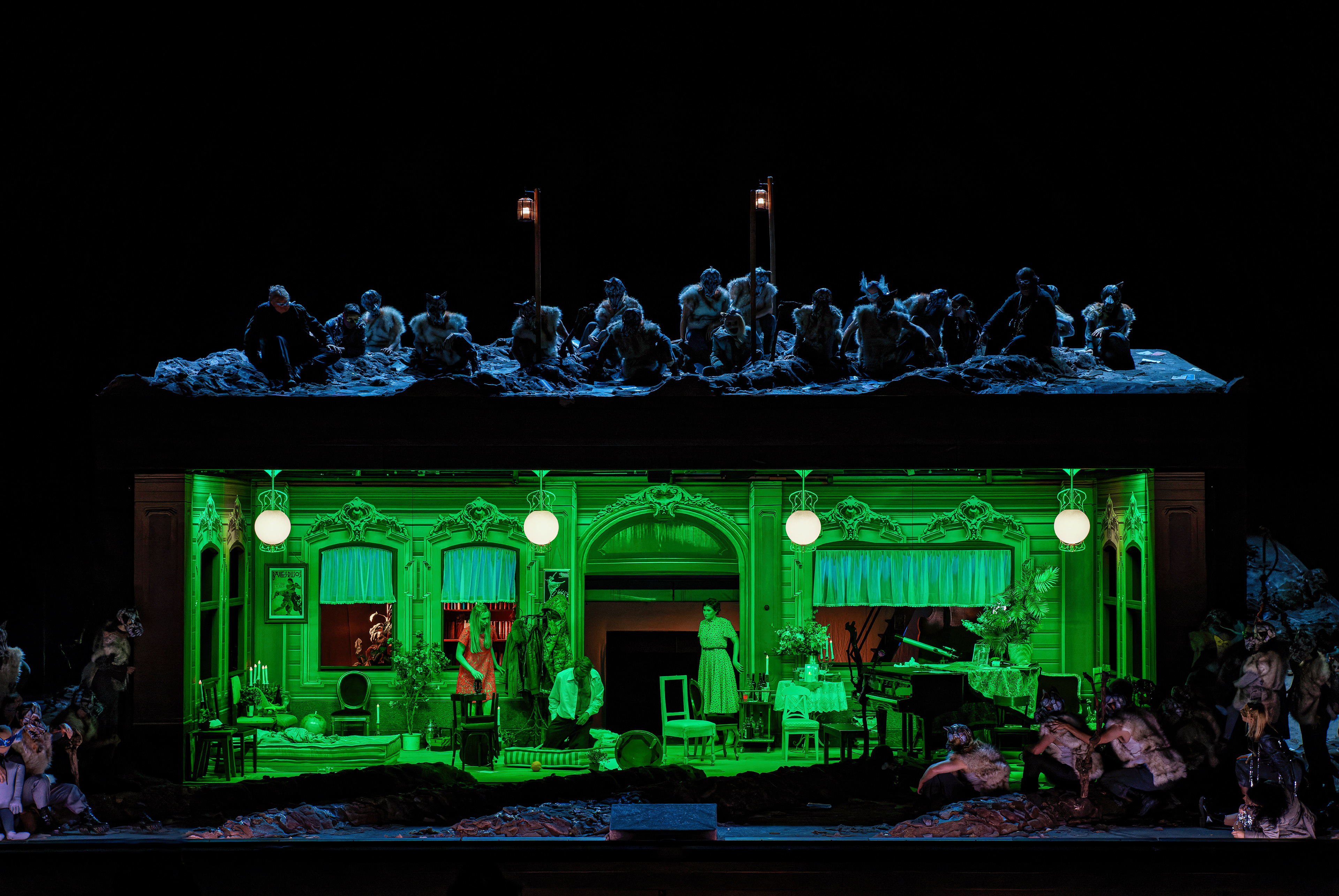
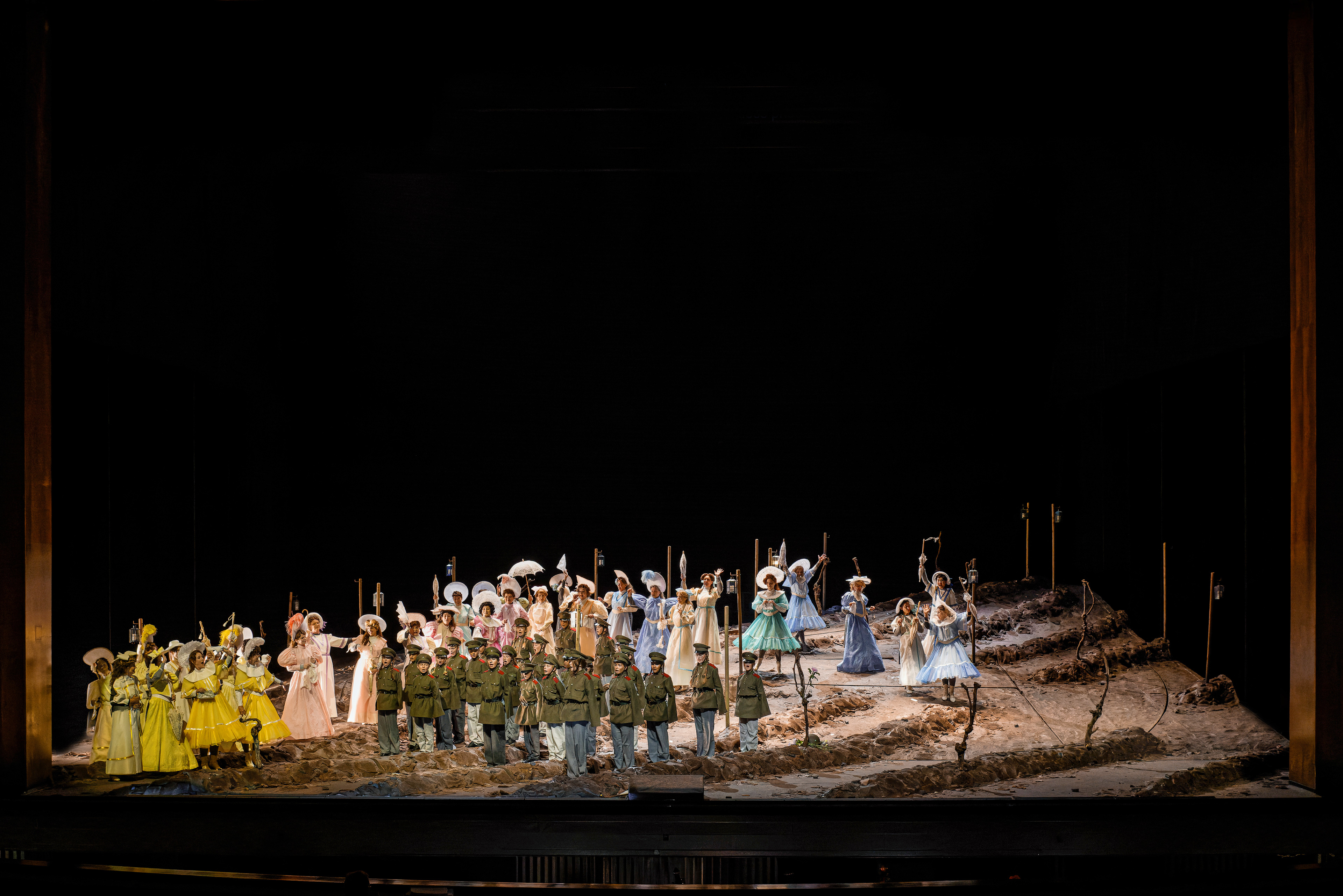
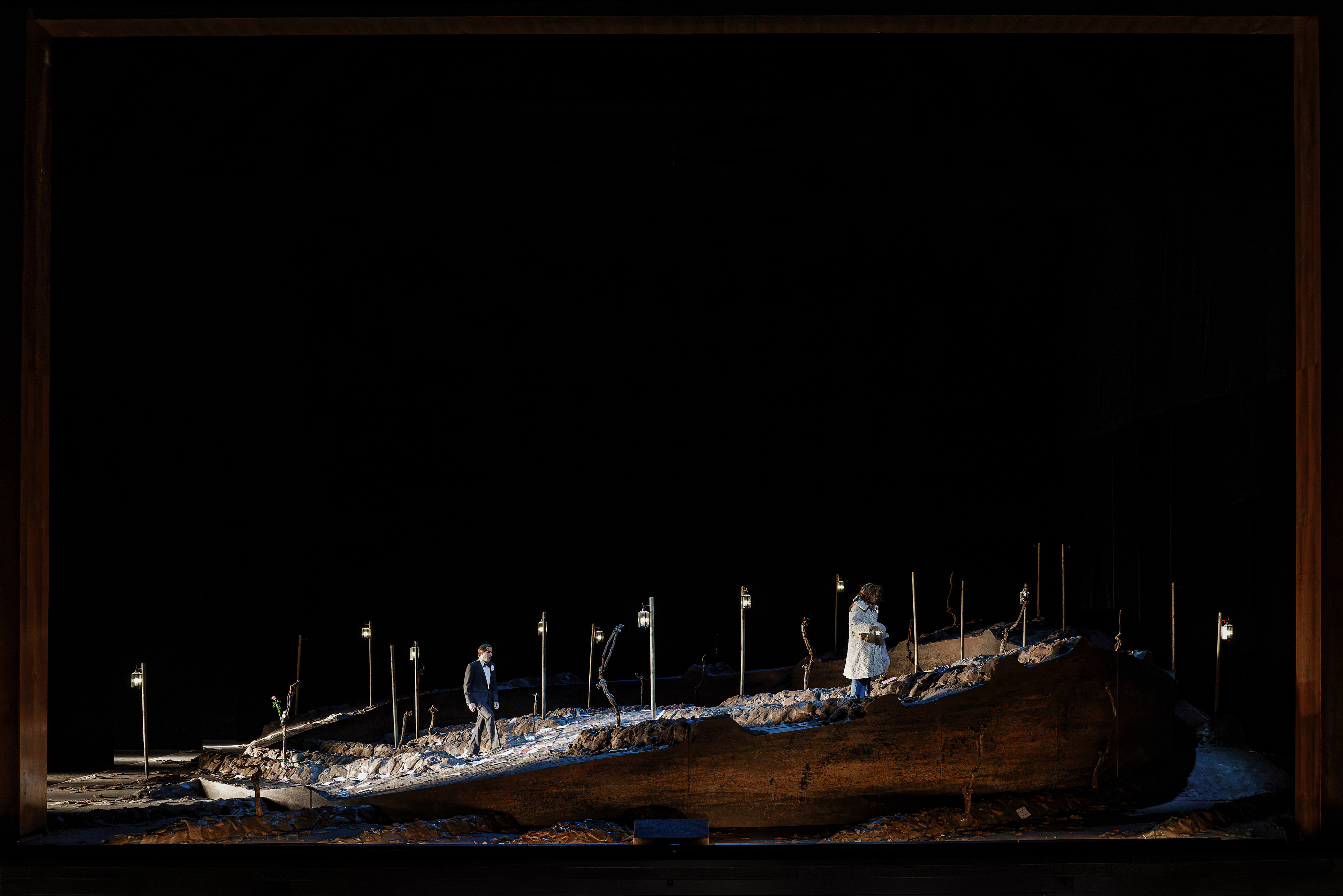
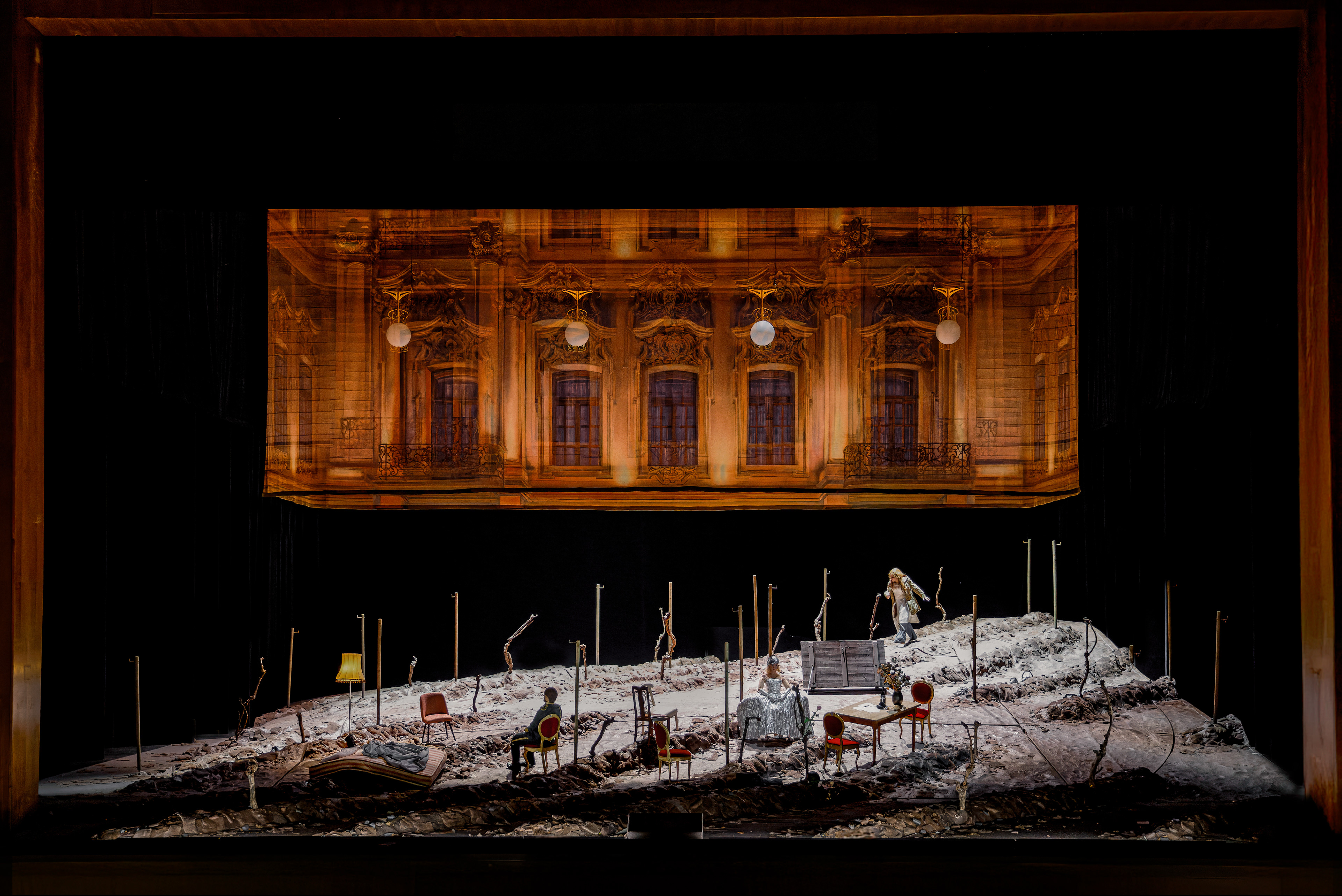
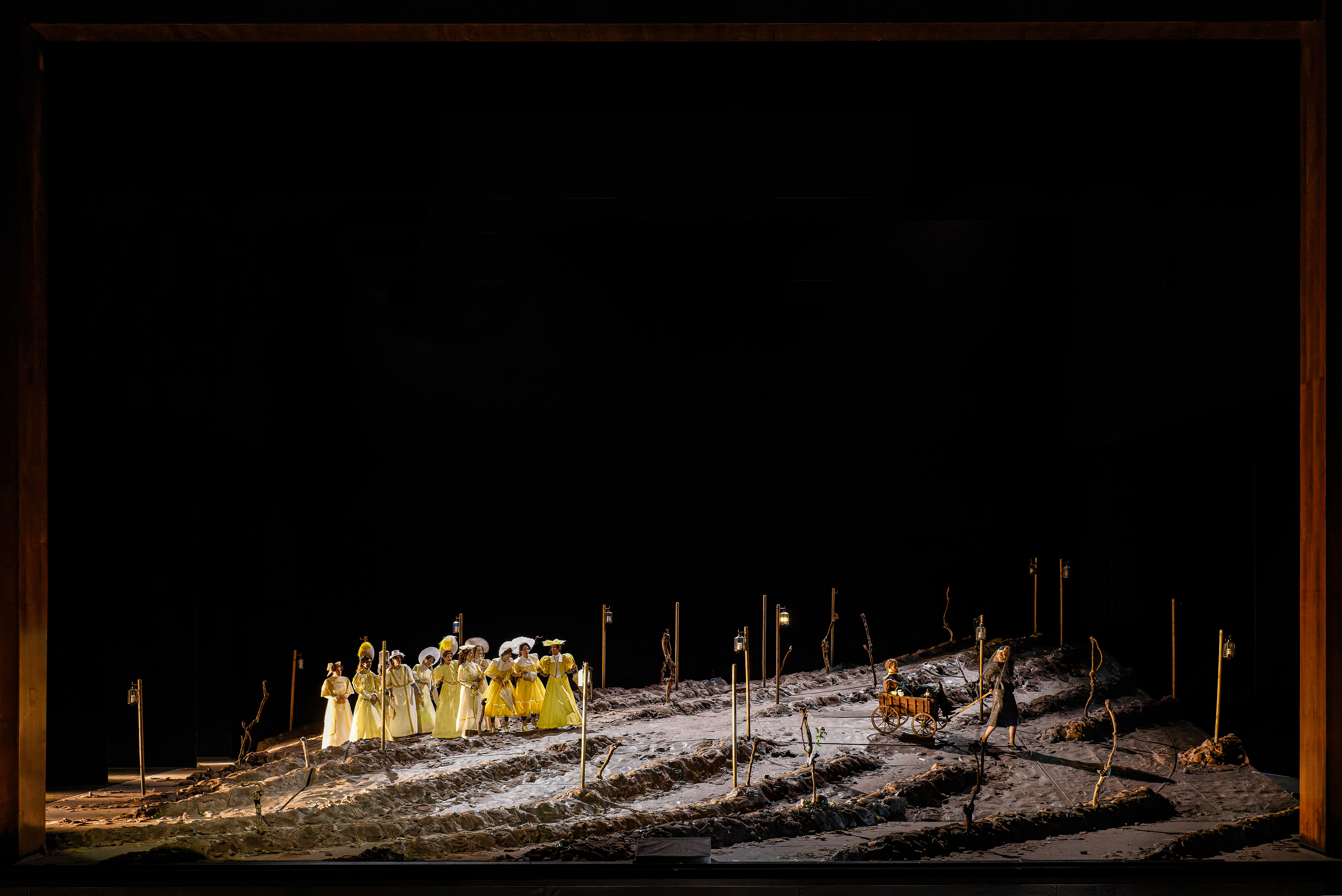
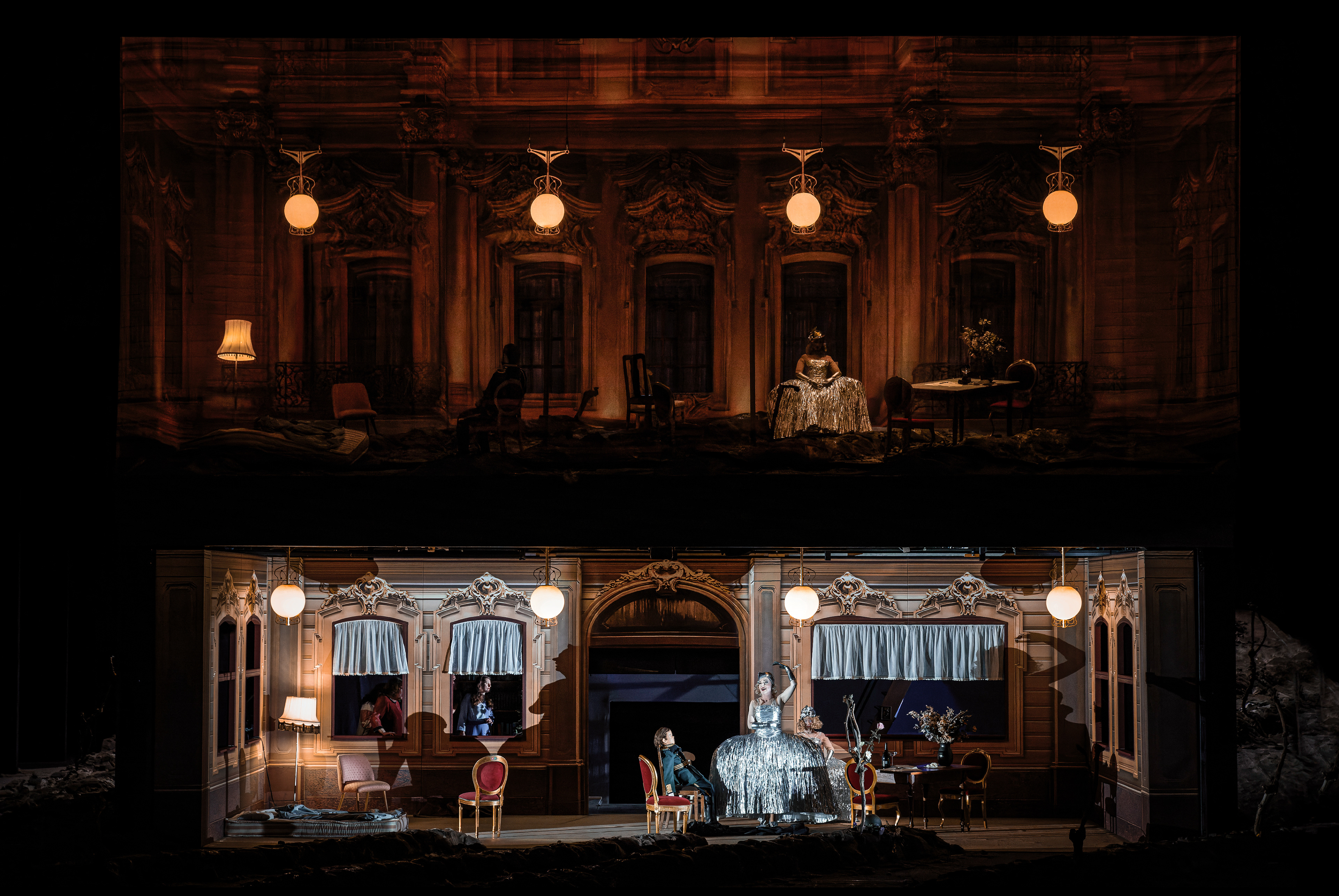
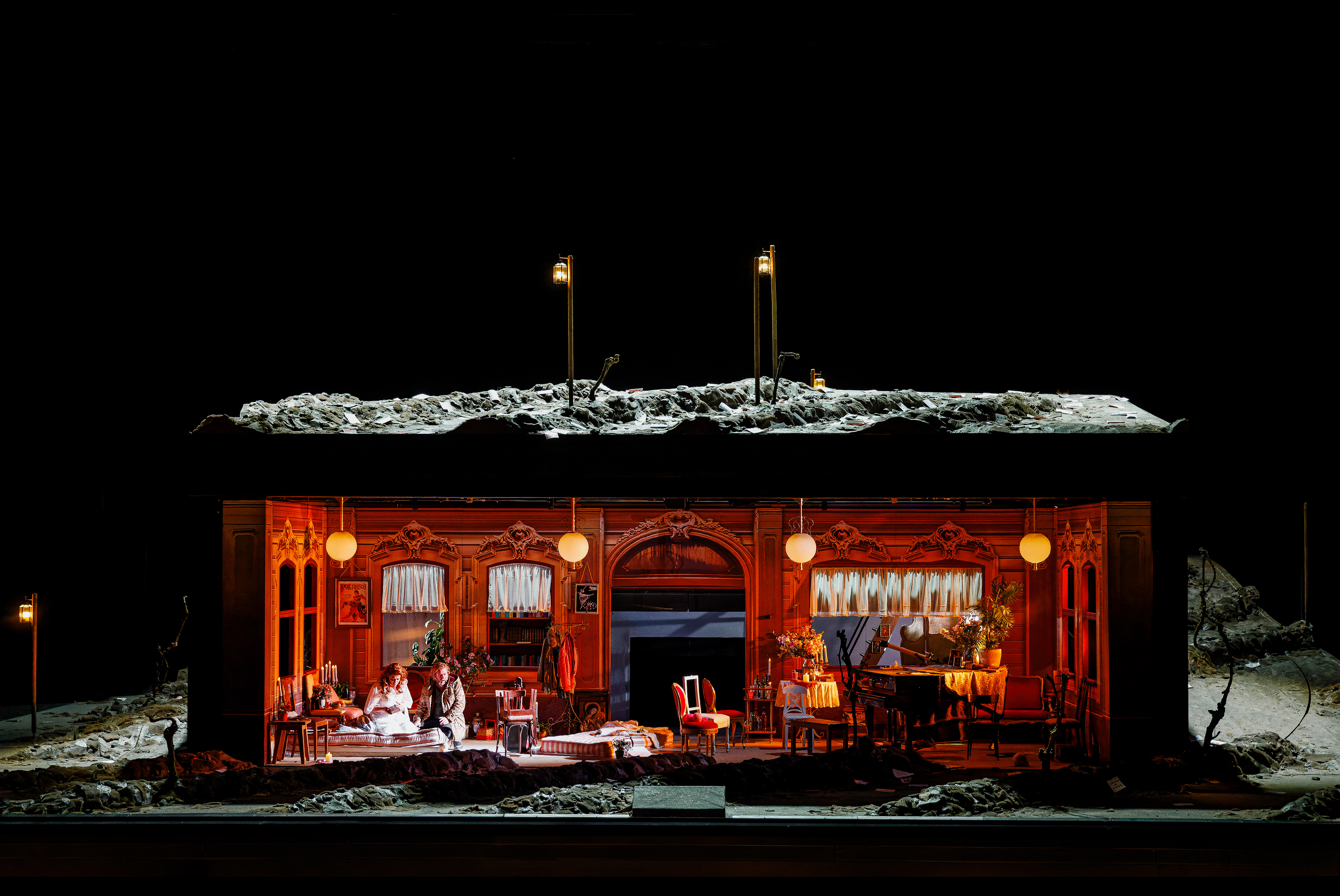
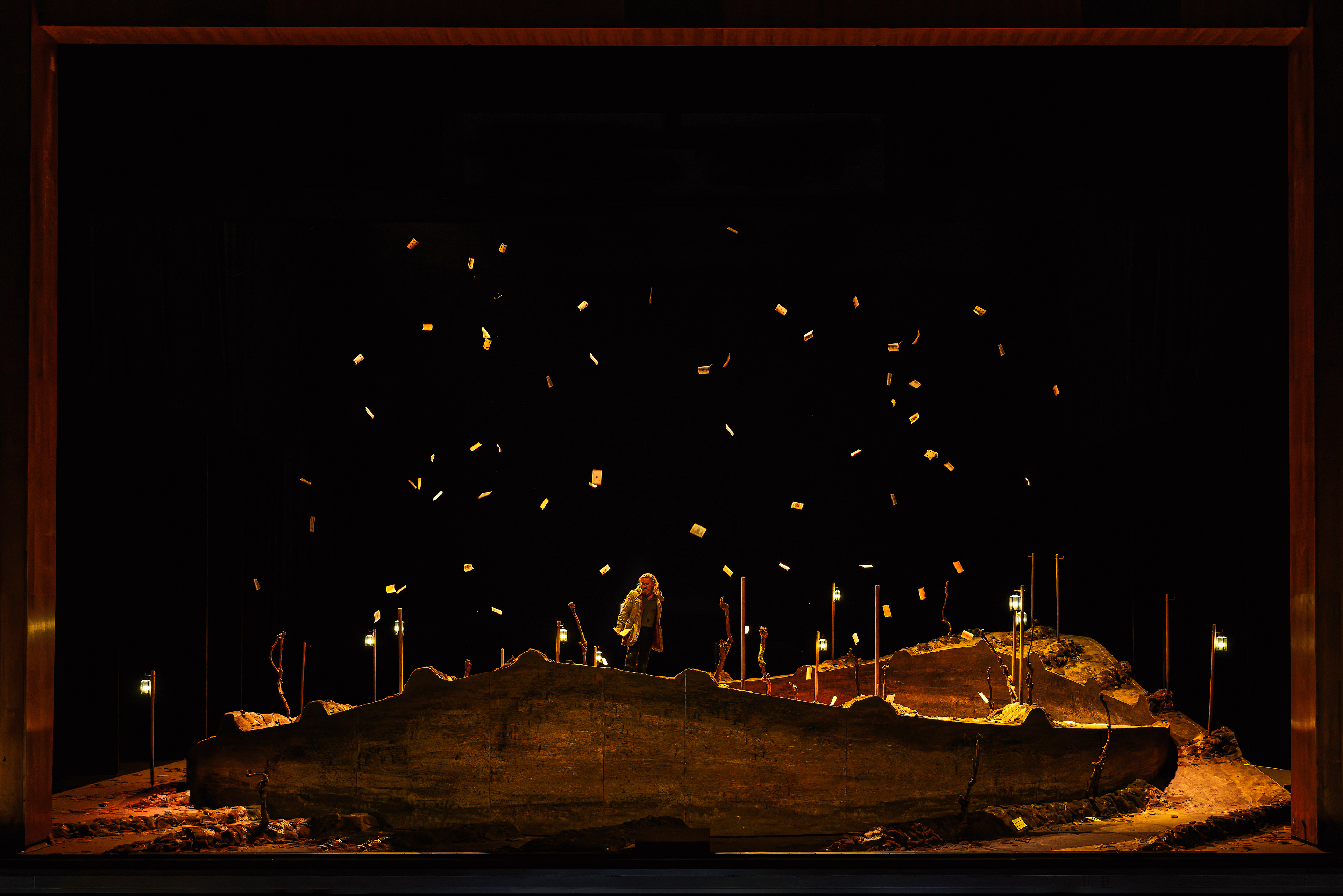
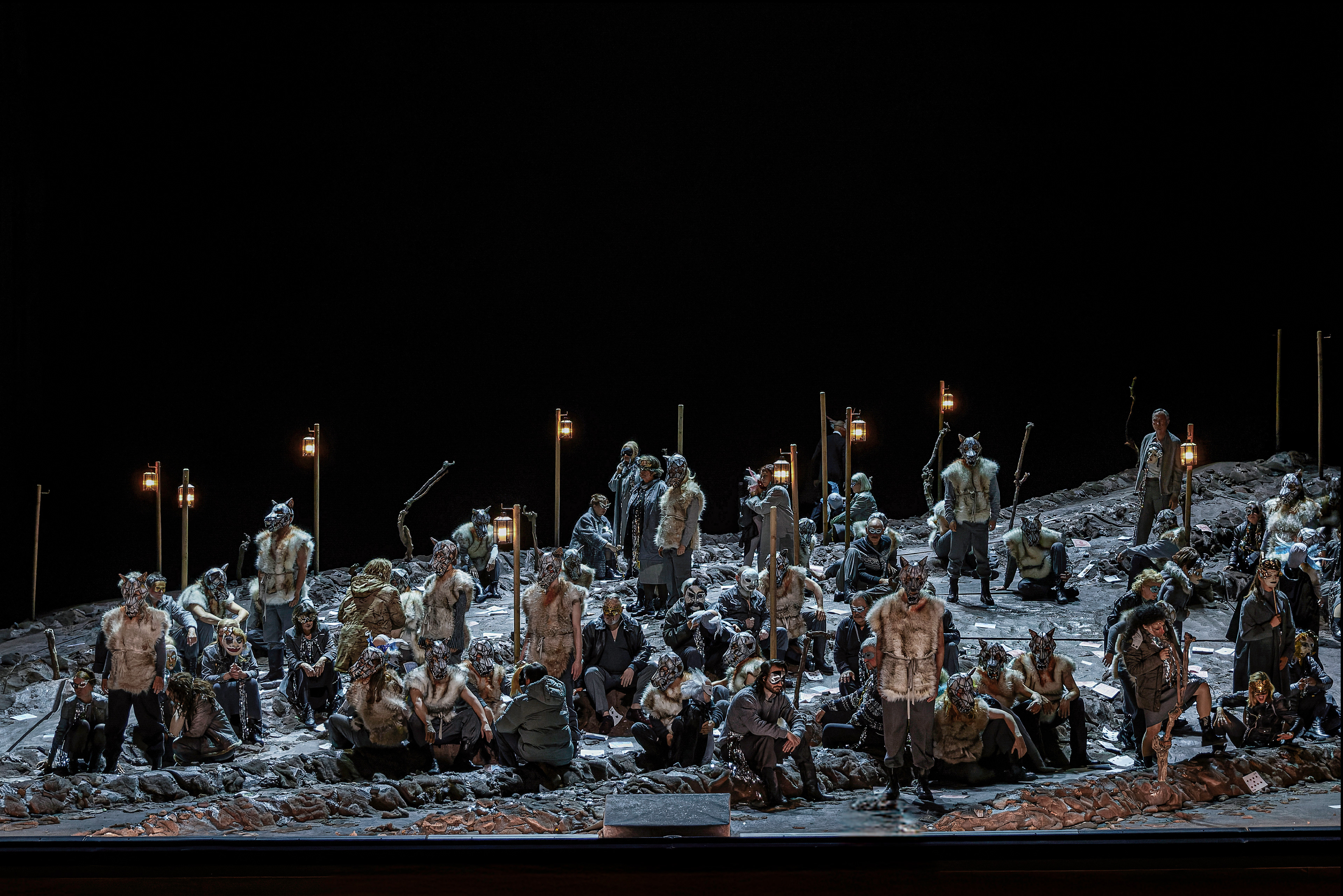
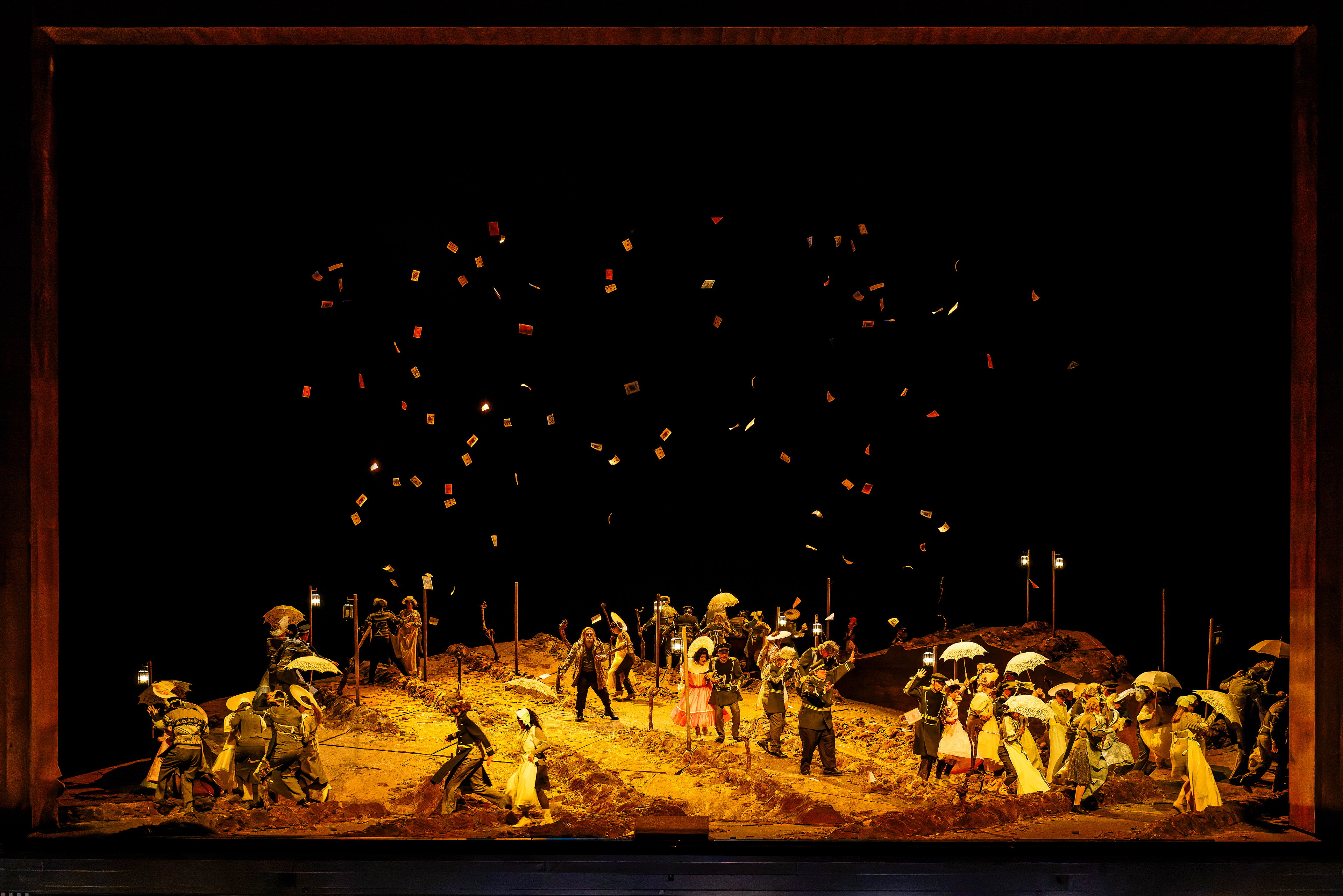
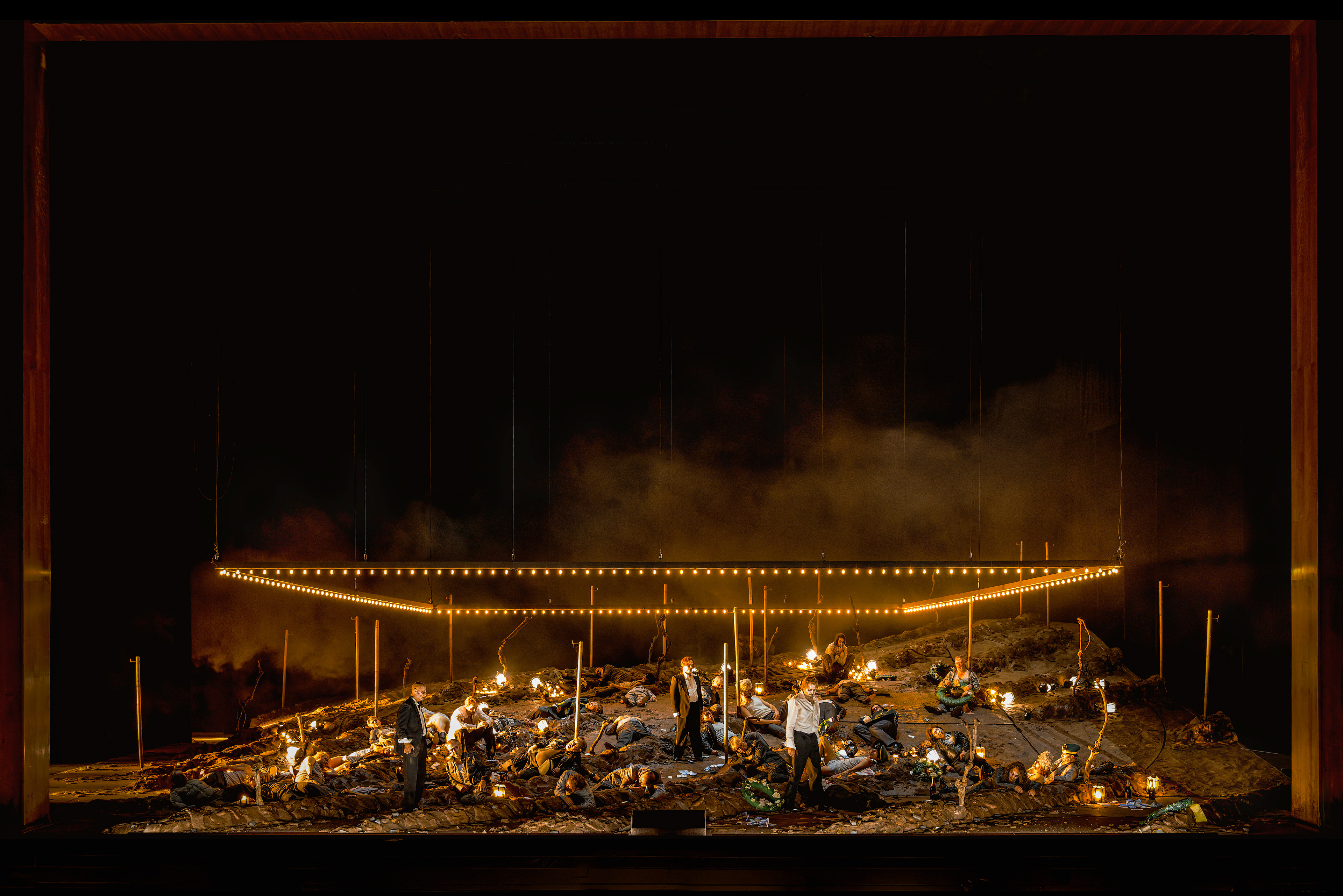
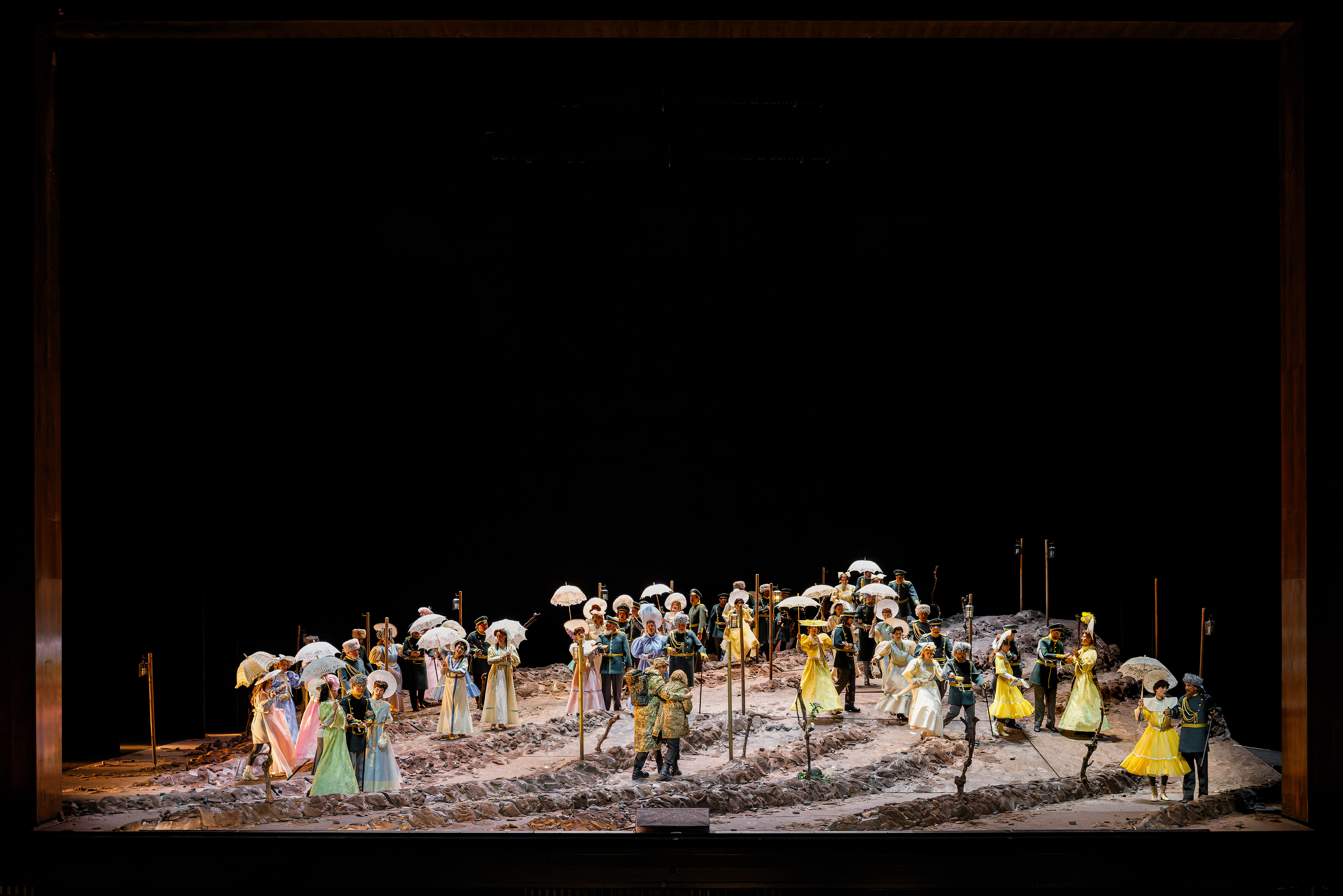
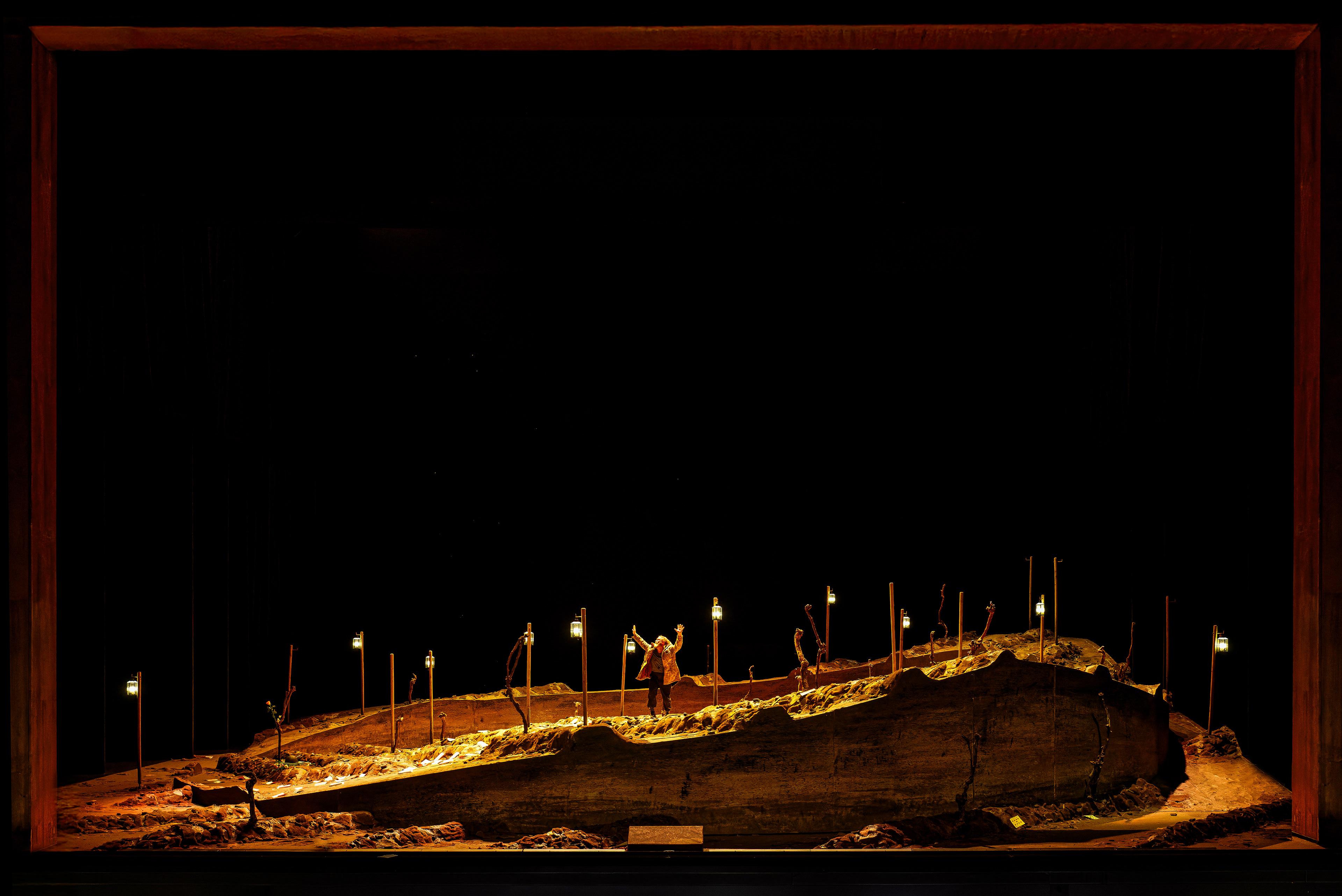
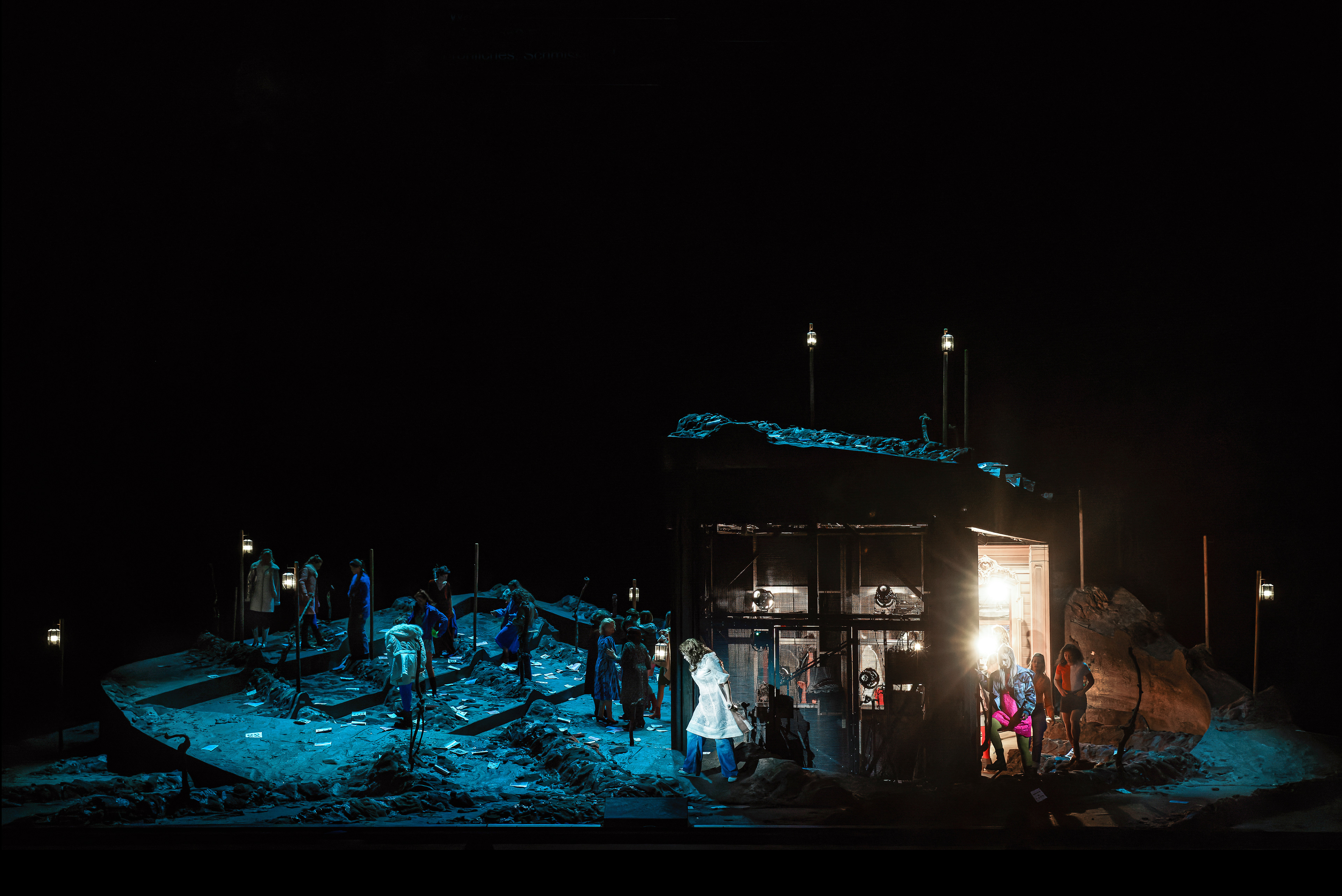
The image of a withered vineyard represent the magic, as well as the irrationalism of Tschaikowskis fantastic opera. Subject to constant scenical changes, these scenechanges question the reality in which the characters find themselves. By layering real and imaginary images, a surrealistic atmosphere is created. This abused and neglected natural and cultural landscape of a vineyard might have once been a flourishing and popular source of pleasure for society. With the exception of the war returnees, everyone acts as if this world was still intact: we see the world from the point of view of the protagonist Hermann.
Hermann's life is turned upside down when he first meets Lisa. She is affluent, he a social outsider. But there is something else that drives him: as if drawn by magic, he circulates around the gambling tables in the casino. A countess, who is also addicted to gambling, knows a secret about 3 cards that are guaranteed to win. If she shares the secret, she will die. Naturally, Hermann decides to find out the Countess's secret. Under the influence of violence, she reveals to him the three winning cards. He wins large sums twice, but loses the third time: Hermann believes he is cursed and dies. Tchaikovski makes the couple's decline all the more dramatic by showing the possibility of a happy life at the beginning. For both, the world loses its original and familiar coherence; in the end, they both choose the path of alienation and self-destruction into madness and death. The 18th century of the opera's authors already symbolized a fictional paradise lost, which the protagonists can no longer access. The use of different time periods in a playful manner also provides us with insights into very different spheres.
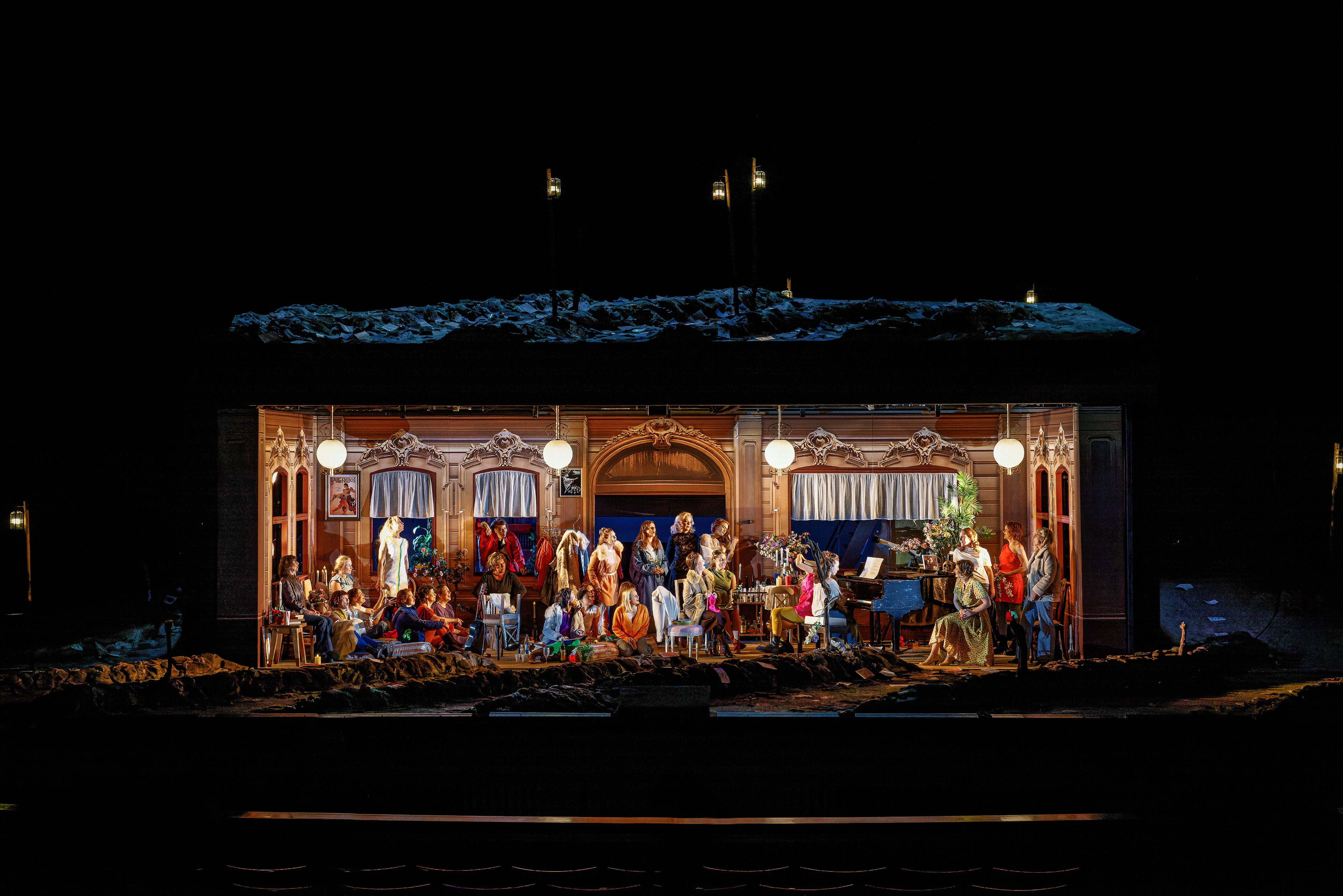
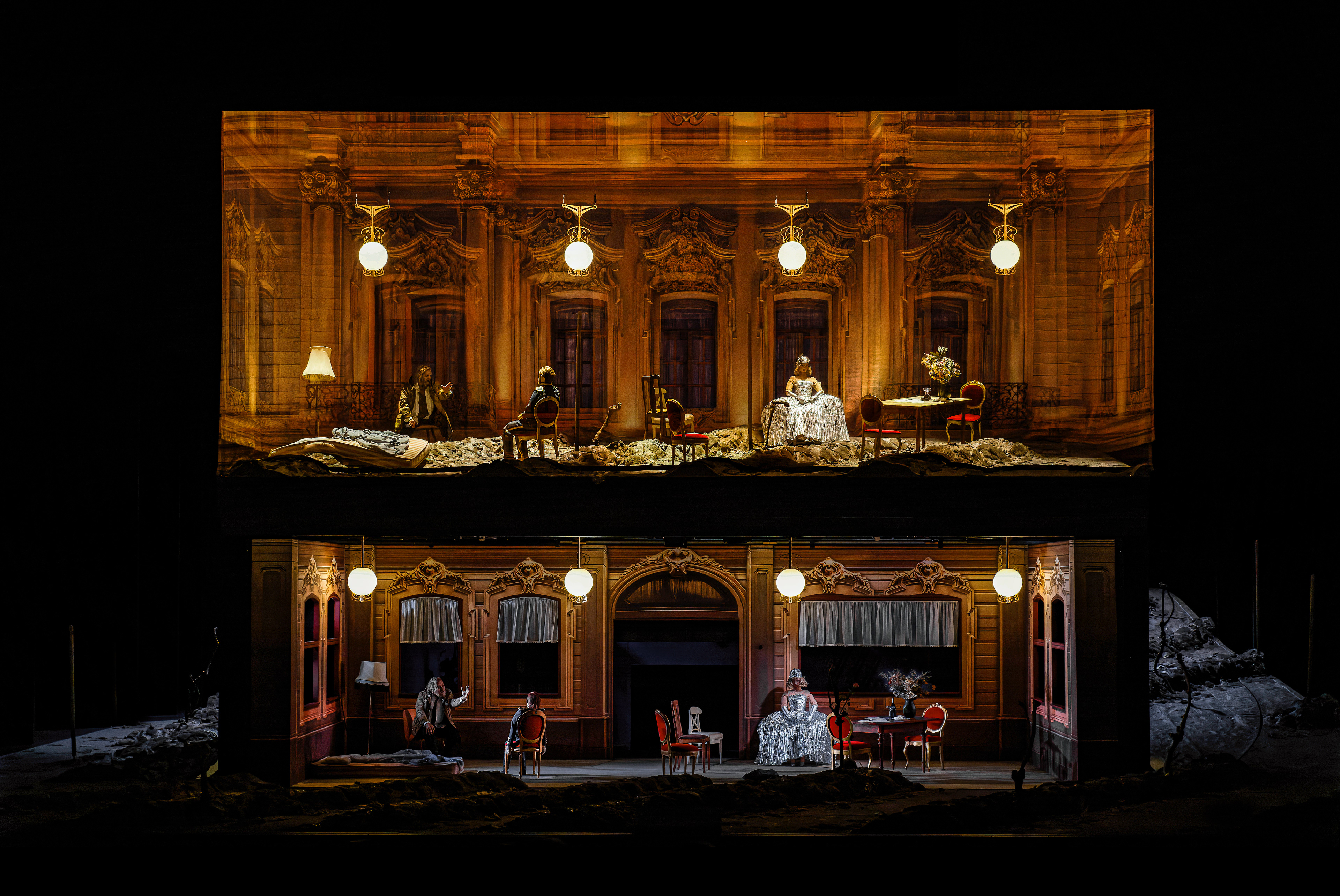
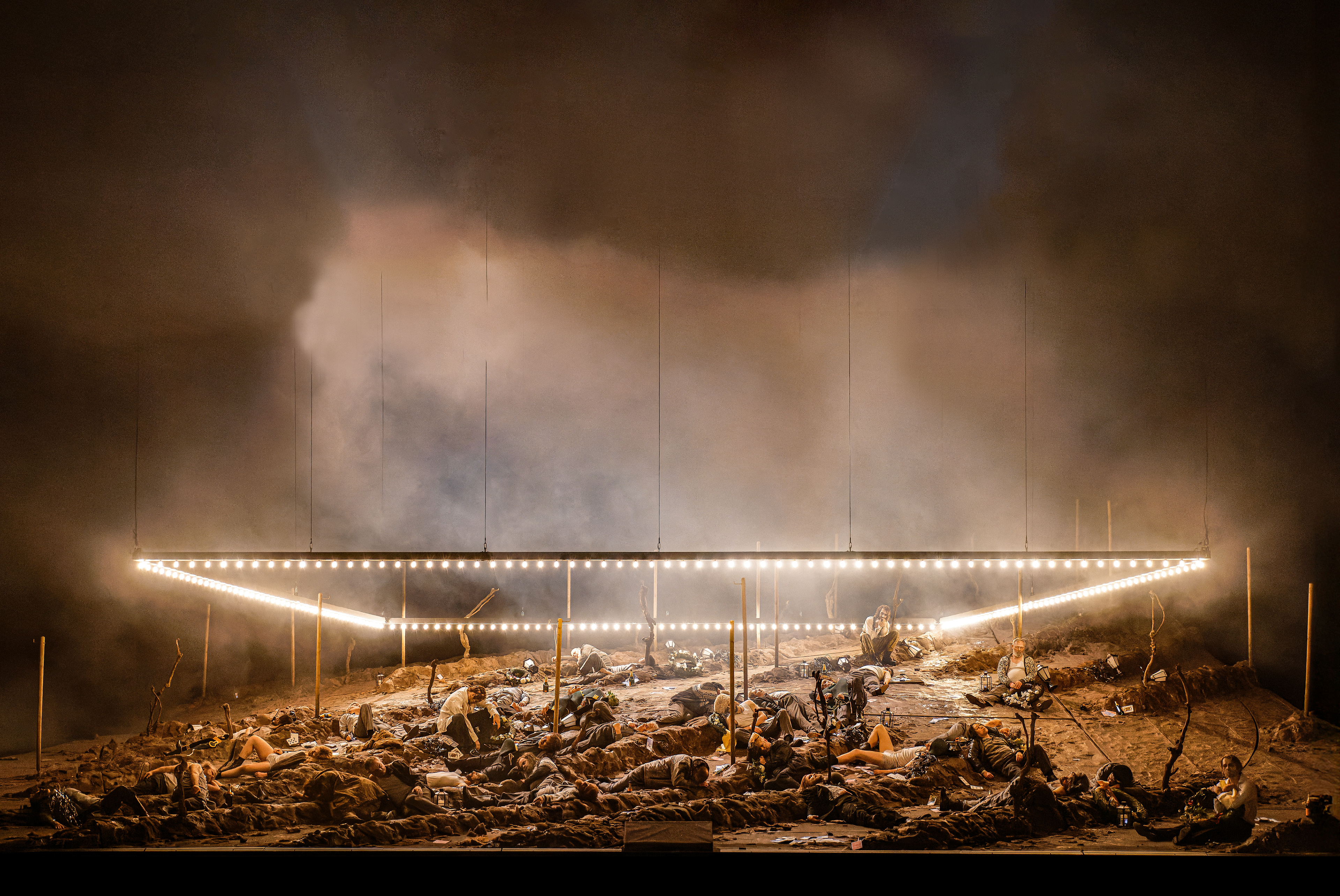
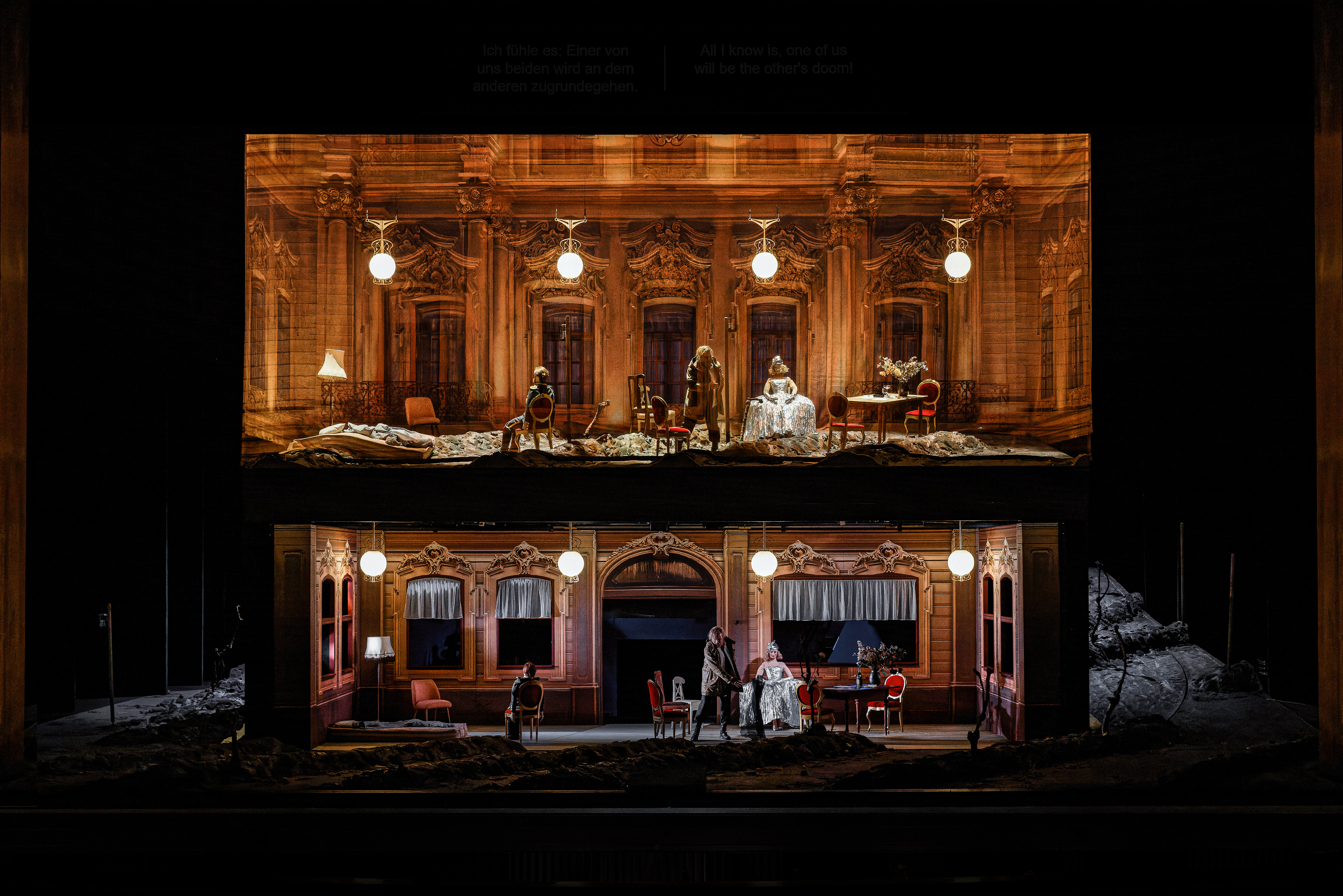
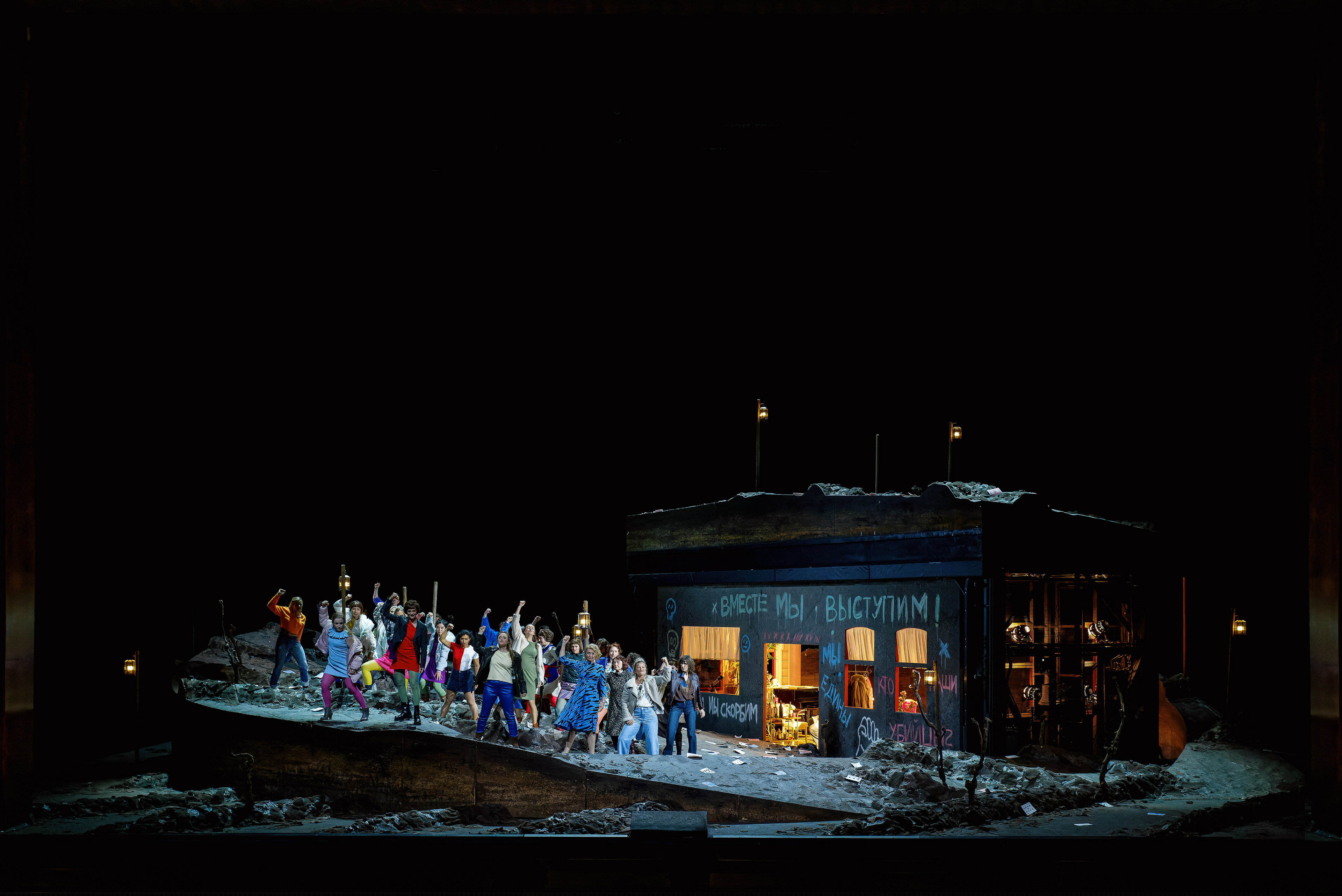
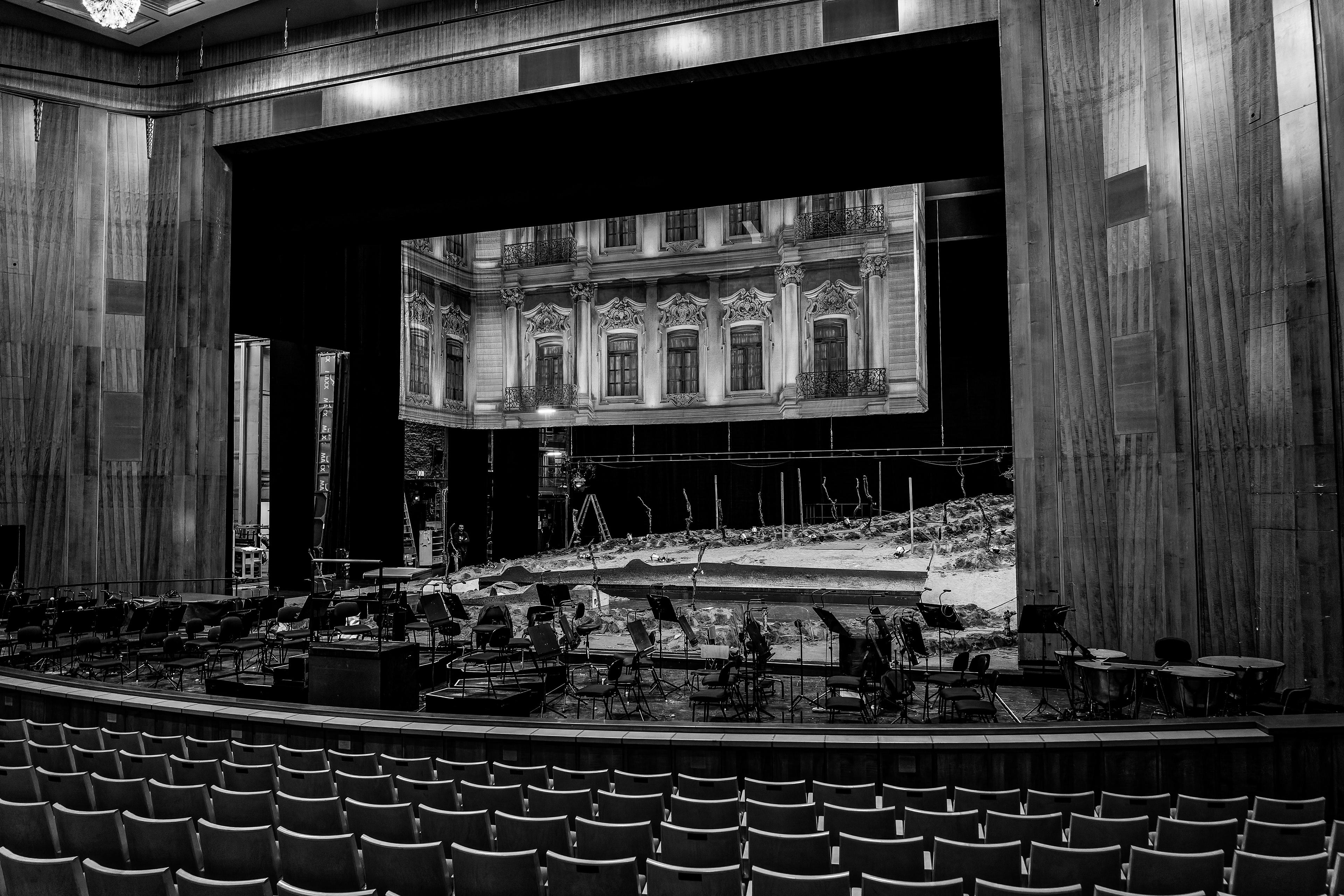
The stage i created for depicts a huge dessicated landscape of 19 by 19 meter on a 17 meter diameter revolving cylinder. Leipzig Opera was newly built in the 1960s and was at the time the biggest stage of the world. The whole landscape is invisibly separated into individual segments, and the individual parts of the huge field can be lowered, raised or placed irregularly next to each other. The rotation of the landscape by means of the revolving stage creates constantly new, different, intersecting worlds. Thus, both society and the protagonists are being moved and at the same time required to navigate and position themselves on uncertain ground. A transparent Gauze painted with a historical St. Petersburg Facade gives a fragile hint of a normailty that no longer exists. At the end of the opera we see a surreal casino as a sea of lights, with many lamps and illuminated objects lying on the landscape, as a lighting frame of hundreds of lightbulbs slowly is lowered.